



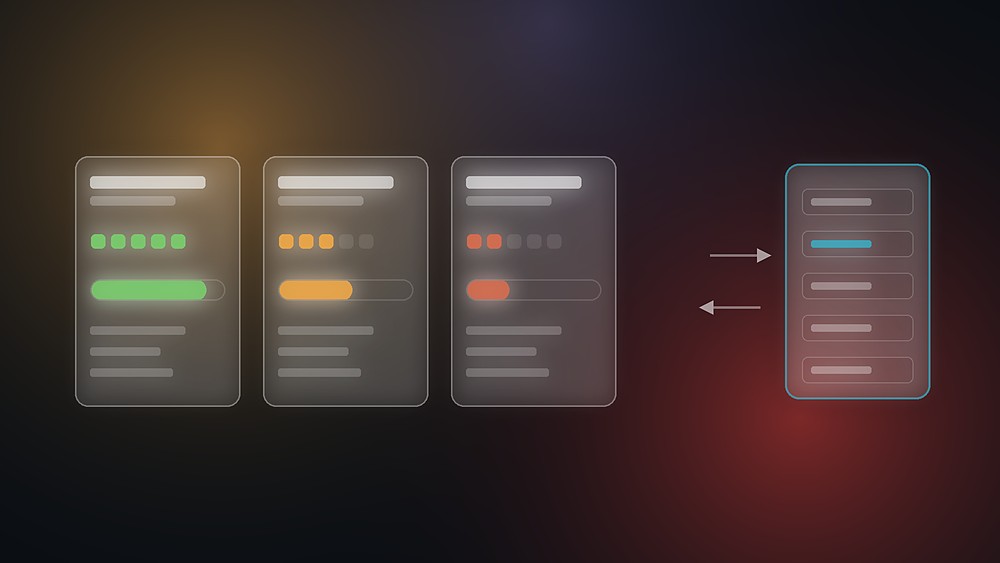
A dealer’s ratingsets their price.
How TOTO India put its dealer and distributor network on one application - quotation requests priced automatically from each dealer’s rating, approvals routed on project size, value, and gross profit, and approved quotations handed to SAP as a batch file. Budget requests, business travel, expenses, and document management run in the same platform.
The situation
A dealer network is a pricing problem before it is a software problem. Every dealer wants a better number, every quotation is a negotiation, and the discount a dealer ends up with often reflects who they spoke to rather than what they are worth to the business. Meanwhile the inventory and pricing that should anchor those quotations lives in SAP - and the quotation does not.
The rest of the internal load sits on the same people. Budget requests. Business travel, and the expense claims that follow it. Documents that need version control and a hierarchy rather than a shared folder. None of it was in one place, and each ran on its own approval rules, understood mainly by whoever had been there longest.
Every quotation is a negotiation, and the discount a dealer ends up with often reflects who they spoke to rather than what they are worth.
What we built
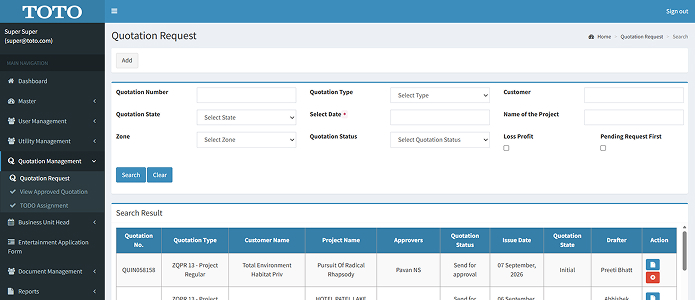
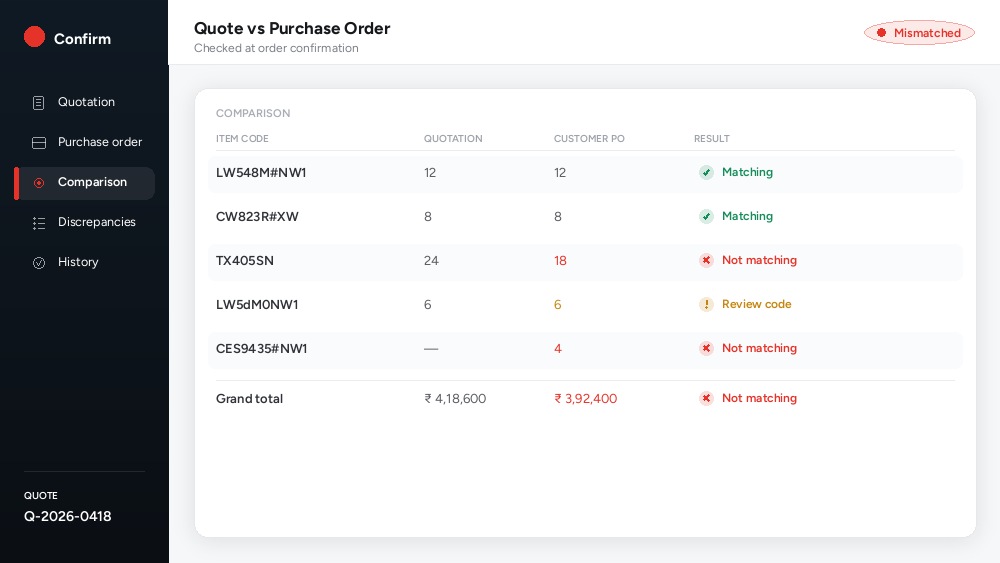
We built one application covering the network and the internal processes around it. Dealers and distributors raise quotation requests directly. The discount is not negotiated - it is applied automatically from the dealer or distributor’s rating, so the same rating earns the same terms whoever happens to handle the request. Approval then routes on three criteria together: the size of the project, the value of the quotation, and the gross profit it carries.
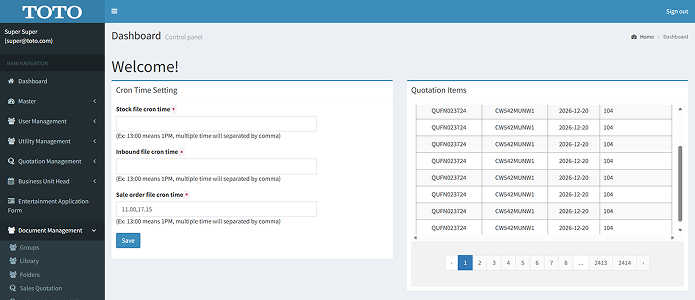
SAP is integrated in both directions. A scheduled job imports inventory data across on a cron, so quotations are priced against current stock rather than a copy that has drifted. When a quotation is approved, the application generates a batch file in SAP’s own format, so the approved figure reaches the system of record without anyone re-keying it. Around that sit budget requests routed by department, business travel with expense reimbursement, and a document management system with version control and a document hierarchy - all governed by one role-based permission model.
Inside the application
Quotation and pricing
- Quotation requests raised by dealers and distributors directly
- Discounts applied automatically from dealer and distributor ratings
- Approval routed on project size, quotation amount, and gross profit
- Scheduled import of inventory data from SAP
- Batch file generated in SAP format on approval, ready to import
- Masters for items, incoterms, freight, schemes, and price groups
Everything around it
- Budget requests, with approval routed by department
- Business travel requests carrying their expense detail
- Expense reimbursement, on its own approval route
- Document management with version control and a document hierarchy
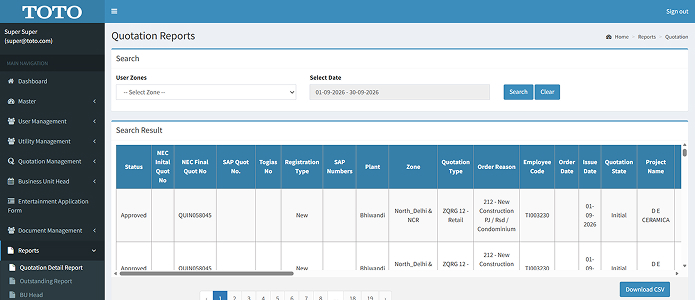
- MIS and KPI reporting across the network
- Role-based permissions governing every module
What it looks like

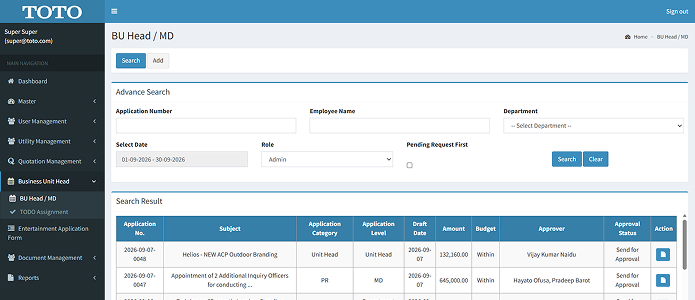
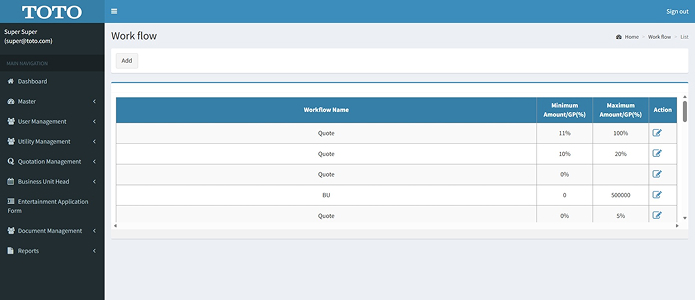
What changed
The discount stopped being a conversation
A dealer’s rating sets their terms, applied by the system on every request. The same rating earns the same price whoever handles it - as much a fairness point across the network as an efficiency one.
Approval reflects the deal, not the requester
Project size, quotation value, and gross profit together decide who signs off. A large low-margin quotation and a small high-margin one no longer travel the same path just because the same person raised them.
The approved number reaches SAP without being typed twice
Inventory comes across on a schedule; the approved quotation goes back as a batch file in SAP’s own format. The gap where figures used to be re-keyed, and occasionally re-keyed wrong, is closed.
How it was built
Built on CodeIgniter, with training and ongoing support through adoption across the network.
Other systems we have built near this one
Is your channel pricing a rule, or a negotiation?
Dealer discounts, distributor schemes, rate contracts, project pricing - anywhere the number a partner gets depends on who they ask. Tell us how yours works today and we will tell you honestly what it would take to make it consistent, and what would have to integrate for it to stay that way.