



The first interview,without the first interviewer.
How a recruitment technology company built a platform where the AI writes the job description, generates questions from the skills a role needs, and conducts the screening interview itself - by chat, by voice, or as an automated phone call - then hands back a transcript, a score, and a summary.
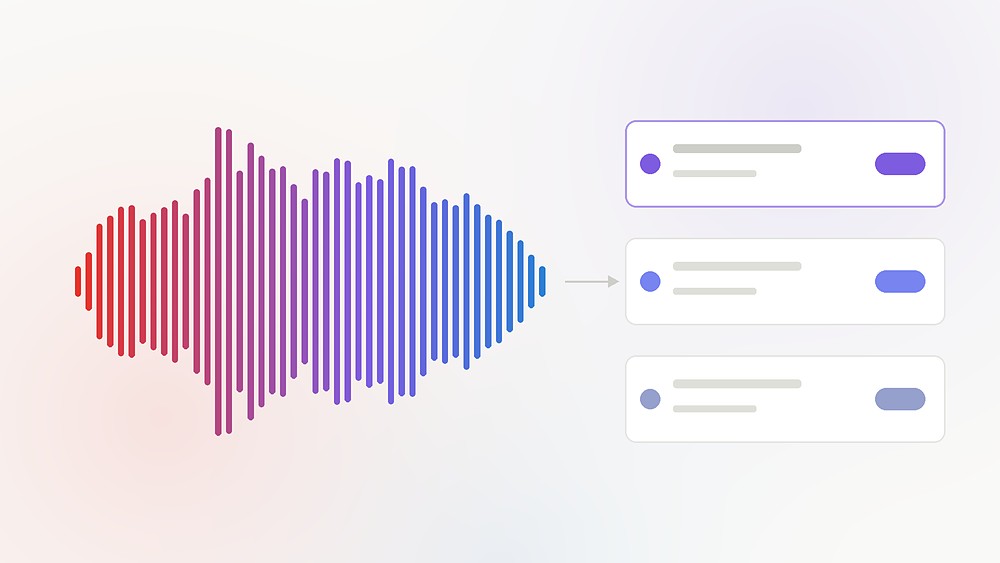
The situation
Hiring at volume breaks in a predictable place: the first round. Every vacancy needs a job description written from scratch. Every shortlist needs a set of screening calls, each one scheduled against a recruiter’s availability. And because different interviewers ask different questions, two candidates for the same role are rarely compared on the same basis.
The client came to us with the shape of an answer rather than a specification: a platform that could run that first interview on its own, in whichever format suited the candidate, and hand the recruiter something structured at the end of it. The hard part was never the model. It was making an automated interview feel like a conversation, and making its output trustworthy enough to act on.
Different interviewers ask different questions, so two candidates for the same role are rarely compared on the same basis.
What we built
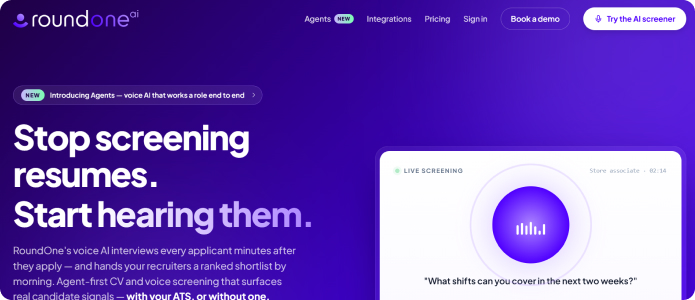
We started with workshops to pin down the hiring flow, then designed an architecture that could carry three interview formats and still push clean, structured data into whatever applicant tracking system the customer already ran. A hiring manager describes the role in plain language; the platform recognises the position, suggests matches, and generates a full job description they can edit before publishing. They then choose the skills that matter, and the questions are generated from those skills rather than drawn from a fixed bank.
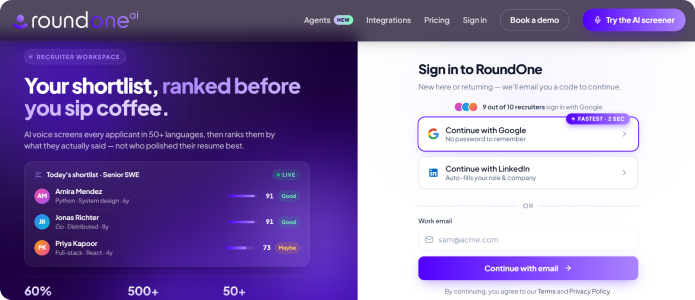
The candidate picks how to be interviewed. Text is a conversational exchange in the browser. Voice records spoken answers on the platform. Call is a real phone conversation, run by a realtime speech model over a telephony API. Whichever mode is used, the interview ends the same way - a processed transcript, an audio recording where one exists, an auto-generated summary, and a score - shown on the recruiter’s dashboard and pushed to the ATS without anyone re-keying it.
Inside the platform
The parts that carry a candidate from job posting to scored transcript.
For the hiring manager
- Role detected from a plain-language brief, with suggested positions
- Full job description generated, then editable before publishing
- Key skills chosen per role, with questions generated from them
- Every candidate for a posting tracked on one review dashboard
- Transcripts, scores, and statuses synced to the ATS automatically
For the candidate
- Text interview - a conversational exchange in the browser
- Voice interview - spoken answers recorded on the platform
- Call interview - a fully automated AI phone call
- Taken at any hour, with no calendar to negotiate
- The same questions, and the same scoring basis, as everyone else
What it looks like
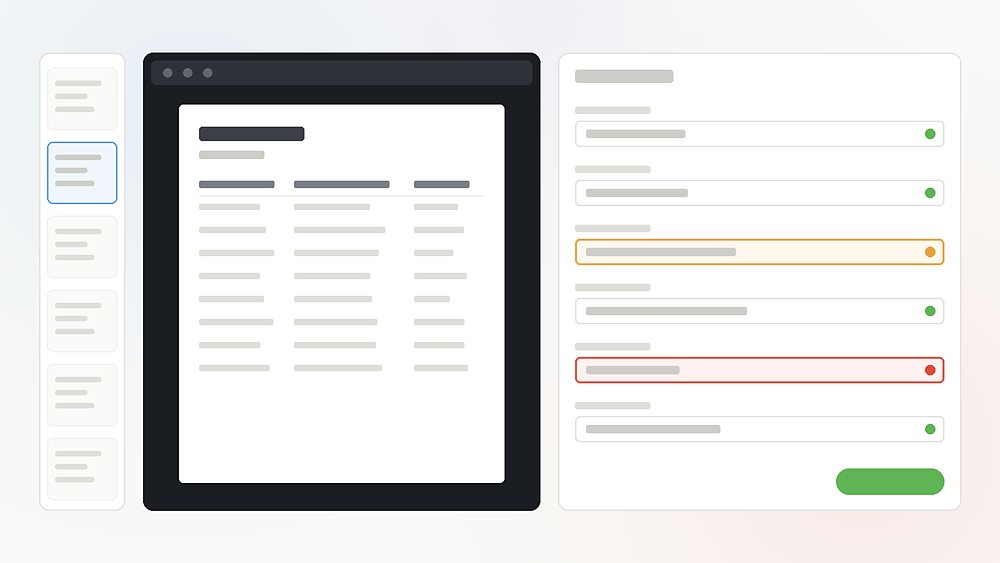
Two screens from the platform: where a role is created, and where a candidate begins.

What changed
First-round screening came off the recruiter’s desk
The client reports that automated interviews removed 60-70% of recruiter screening effort. The round still happens - it just no longer needs a person in the room for it.
Every candidate answered the same questions, scored the same way
Questions come from the skills the role needs, and scoring is applied by the system. A shortlist reflects the candidates rather than which interviewer they happened to get.
Candidates interviewed when it suited them
Chat, voice, or phone, at any hour and in any timezone. Coverage rose because taking part stopped depending on two diaries lining up.
How it was built
Orchestrated on Microsoft Azure, with audio files and transcripts held in the client’s own storage.
Other systems we have built near this one
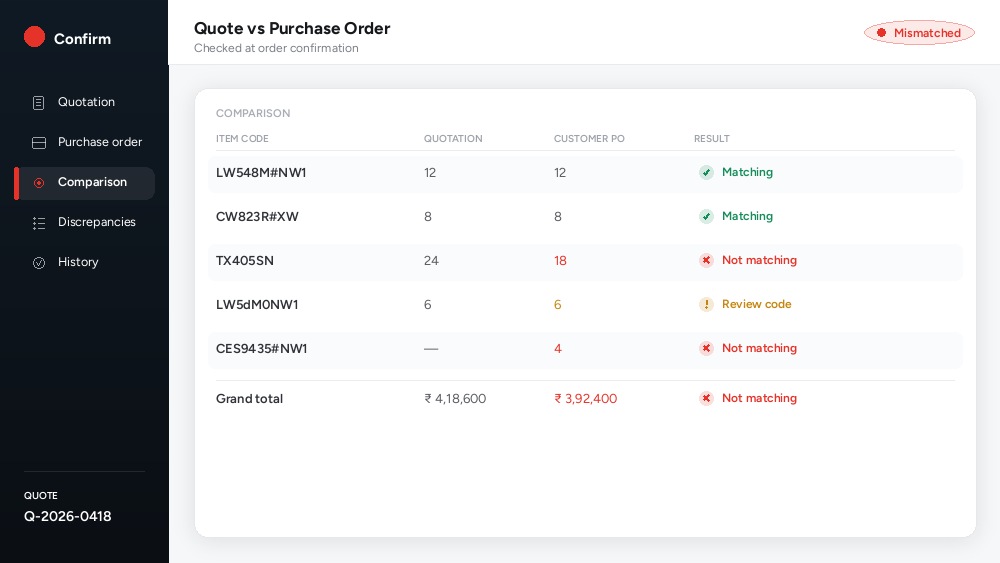
Where in your process is someone asking the same questions twice?
Screening interviews, structured intake calls, first-line triage - anywhere a person repeats a script and then writes up the answers. Tell us what yours looks like and we will tell you honestly where an AI belongs in it, and where it does not.